Perimenopause and Sleep: Why You Suddenly Can't Sleep Through the Night
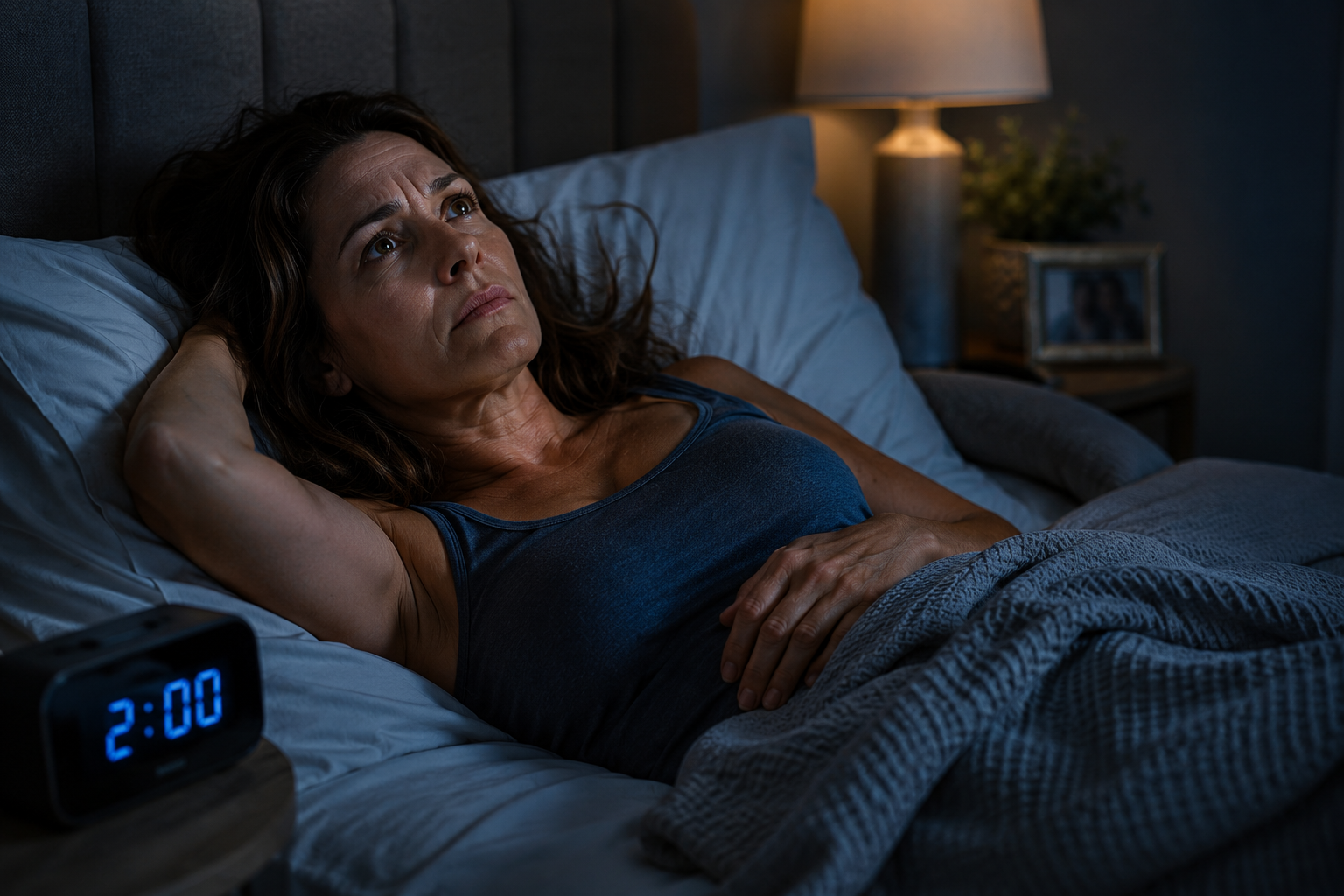
It's 2 a.m. and you're wide awake — again. You kicked off the covers twenty minutes ago because you were burning up, and now you're lying there staring at the ceiling, running through your mental to-do list even though your body is exhausted. Sound familiar? If you're in your 40s and suddenly finding that sleep feels impossible, you're not imagining it. Perimenopause sleep problems are one of the most common — and most frustrating — things women tell us about when they first land on orozna.com. The good news? There's a real reason this is happening, and once you understand it, you can actually do something about it.
In this article, we're going to walk you through exactly why perimenopause disrupts your sleep so profoundly, what's happening in your body, and — most importantly — what practical steps you can start taking right now. No vague advice, no "just try to relax." Real, useful information that actually makes a difference.
What's Actually Happening to Your Hormones While You Sleep
Before perimenopause, your body ran on a fairly predictable hormonal rhythm. Estrogen and progesterone rose and fell in a steady cycle, and they quietly supported your sleep in ways you probably never even noticed. Progesterone, in particular, has a natural calming effect on the brain — it actually influences the same receptors that anti-anxiety medications target. So when progesterone starts dropping in perimenopause, that built-in sleep support quietly disappears.
Estrogen plays a role too. It helps regulate your body temperature, supports serotonin production, and influences how deeply you move through sleep cycles. When estrogen becomes erratic — some months high, some months crashing — your whole sleep architecture gets thrown off.
Here's what makes perimenopause particularly tricky: the changes aren't linear. Your hormone levels aren't simply declining steadily from one year to the next. They're fluctuating wildly, sometimes week to week. That's why you might sleep perfectly fine for three nights and then be awake until 4 a.m. on the fourth. It's not random. It's hormonal chaos, and it's completely normal at this stage.
The Night Sweats and Hot Flash Connection to Perimenopause Sleep Problems
If you've ever been jolted out of a dead sleep by a wave of heat flooding your chest and neck, you already know how effectively a hot flash can destroy a good night's rest. Night sweats are essentially hot flashes that happen while you're asleep, and they're one of the biggest drivers of perimenopause sleep problems for women in their 40s and early 50s.
What's happening physiologically is that your hypothalamus — the part of your brain that acts as a thermostat — becomes hypersensitive to small changes in body temperature because of fluctuating estrogen. It essentially misreads normal body heat as a crisis and fires off a cooling response: rapid heart rate, sweating, flushing. This wakes you up. And once you're awake at 3 a.m., damp and uncomfortable, getting back to sleep can feel almost impossible.
Why You Can't Just Fall Back Asleep Easily
This is the part that women often find the most maddening. It's not just that the hot flash wakes you up — it's that your nervous system is now activated. Your cortisol (stress hormone) spikes in response to being startled awake. Your mind kicks into gear. And if this has been happening for weeks or months, your brain may have started associating your bed with wakefulness rather than rest. That's a real psychological pattern, and it feeds the cycle.
Changing your sleep environment can help significantly here. Keep your bedroom cooler than you think you need it — somewhere around 65–68°F tends to work well for many women during this stage. Lightweight, moisture-wicking bedding is worth every penny. And having a small fan nearby gives you immediate control when a wave hits, which reduces the sense of helplessness that makes the anxiety worse.
How Anxiety and Racing Thoughts Make Everything Worse at Night
Here's something that doesn't get talked about enough: perimenopause doesn't just affect your body — it significantly affects your brain chemistry. Many women describe developing anxiety during perimenopause for the first time in their lives, or noticing that their existing anxiety becomes much harder to manage. Lying awake with a spinning mind isn't a personality flaw. It's a hormonal shift.
Falling estrogen affects the way your brain produces and responds to serotonin and GABA — both of which are critical for a calm, settled nervous system. When those levels are off, your brain is more reactive, more prone to rumination, and more likely to treat normal worries as emergencies at midnight.
Practical Ways to Calm the Nighttime Mental Spiral
One thing that genuinely helps many women is getting the mental chatter out of their heads and onto paper before bed. A ten-minute journaling session — not processing deep emotional stuff, just downloading whatever's on your mind — can reduce the mental load enough to make sleep easier. Write down tomorrow's to-do list. Note the worry. Let your brain know it's been recorded and doesn't need to keep looping.
Magnesium glycinate taken in the evening is another option that many women find helpful for calming the nervous system and improving sleep quality. It's not a miracle, but it's well-tolerated and worth discussing with your doctor or healthcare provider if you haven't tried it.
If you're looking for more structured guidance on managing the mental and emotional side of perimenopause alongside the physical, the digital resources at orozna.com's perimenopause support programs are designed specifically to help women in your stage piece all of this together — the sleep piece included.
The Blood Sugar Rollercoaster and Its Surprising Impact on Your Sleep
This one surprises a lot of women. You wouldn't necessarily connect blood sugar with sleep, but during perimenopause, the link is real and significant. Estrogen helps regulate insulin sensitivity, so as it declines, your cells don't respond to insulin as efficiently. Blood sugar becomes less stable — and unstable blood sugar at night can wake you up.
When your blood sugar drops in the early hours of the morning, your body releases cortisol and adrenaline to bring it back up. These are activating hormones. They are not designed to help you sleep. They're designed to get you moving. So if you're waking up between 2 and 4 a.m. feeling alert, almost anxious, even though you're tired — this could easily be part of what's going on.
What You Eat in the Evening Actually Matters More Now
A high-carb, low-protein dinner might have been fine in your 30s. In perimenopause, it can set you up for a blood sugar crash in the middle of the night. A small protein-containing snack before bed — something like a handful of nuts, a boiled egg, or some Greek yogurt — can help stabilize blood sugar overnight and reduce those early-morning cortisol spikes.
Alcohol is also worth mentioning here. It might feel like it helps you fall asleep, but it significantly disrupts sleep architecture in the second half of the night, often causing exactly the 3 a.m. wake-ups that perimenopause is already making you prone to. Cutting it out — or at minimum keeping it to one drink and having it earlier in the evening — tends to make a noticeable difference.
Building a Sleep Routine That Actually Works During Perimenopause
The standard sleep hygiene advice — no screens before bed, consistent wake time, cool dark room — is all valid. But women in perimenopause often need a more intentional approach than a generic sleep hygiene checklist. Your nervous system is more reactive right now. Your body temperature regulation is off. Your hormones are unpredictable. You need a routine that's specifically designed for where you are, not generic advice written for a 35-year-old with no hormonal shifts on the horizon.
- Consistent wake time first: This is the anchor of your circadian rhythm. Even if you had a terrible night, getting up at the same time each morning keeps your sleep drive building properly throughout the day.
- Wind-down rituals that lower cortisol: A warm (not hot) shower or bath about 90 minutes before bed actually helps lower core body temperature as you dry off, which signals sleep. Add dim lighting and something genuinely relaxing — not your phone.
- Get morning light early: Sunlight in the first hour after waking helps set your circadian clock and improves sleep onset at night. This one costs nothing and makes a real difference over time.
- Move your body, but time it right: Exercise is one of the most effective tools for improving sleep quality during perimenopause, but intense workouts late in the evening can spike cortisol and make it harder to settle. Morning or early afternoon is your friend.
When to Take Perimenopause Sleep Problems More Seriously
There's a difference between rough nights during a hormonal transition and a sleep disorder that needs proper medical attention. If you've been dealing with significant sleep disruption for more than a few weeks and it's affecting your daily functioning — your mood, your concentration, your ability to do your job — it's worth talking to a doctor who actually understands perimenopause. Not all of them do, which is frustrating, but they're out there.
Conditions like sleep apnea also become more common after 40, and perimenopause can make symptoms worse. If you're snoring more than usual, waking with headaches, or feeling completely unrefreshed even after a full night in bed, it's worth raising with a healthcare professional rather than just attributing everything to hormones.
Hormone therapy is another option that many women find genuinely transformative for sleep — particularly for managing night sweats and the anxiety component. It's not right for everyone, but if you haven't had a thorough conversation with a menopause-specialist doctor about whether it's an option for you, it's worth doing. The evidence for it has evolved significantly, and many women are making decisions based on outdated information.
You Don't Have to White-Knuckle Your Way Through This
Perimenopause sleep problems are real, they're widespread, and they're one of the main reasons women in their 40s find themselves feeling unlike themselves — exhausted, anxious, and wondering when they'll feel normal again. But there are things you can do. Understanding the hormonal mechanics helps you stop feeling like something is randomly broken and start making targeted changes that actually address the root causes.
Start with one thing — your wake time, your evening eating habits, your bedroom temperature. Small changes compound over time, and many women find that once their sleep improves even slightly, everything else starts to feel more manageable. If you want a more comprehensive roadmap for getting through perimenopause feeling like yourself again — sleep, mood, energy, and all of it — explore what's available at orozna.com, where we've built our resources specifically for women navigating exactly this stage of life.